
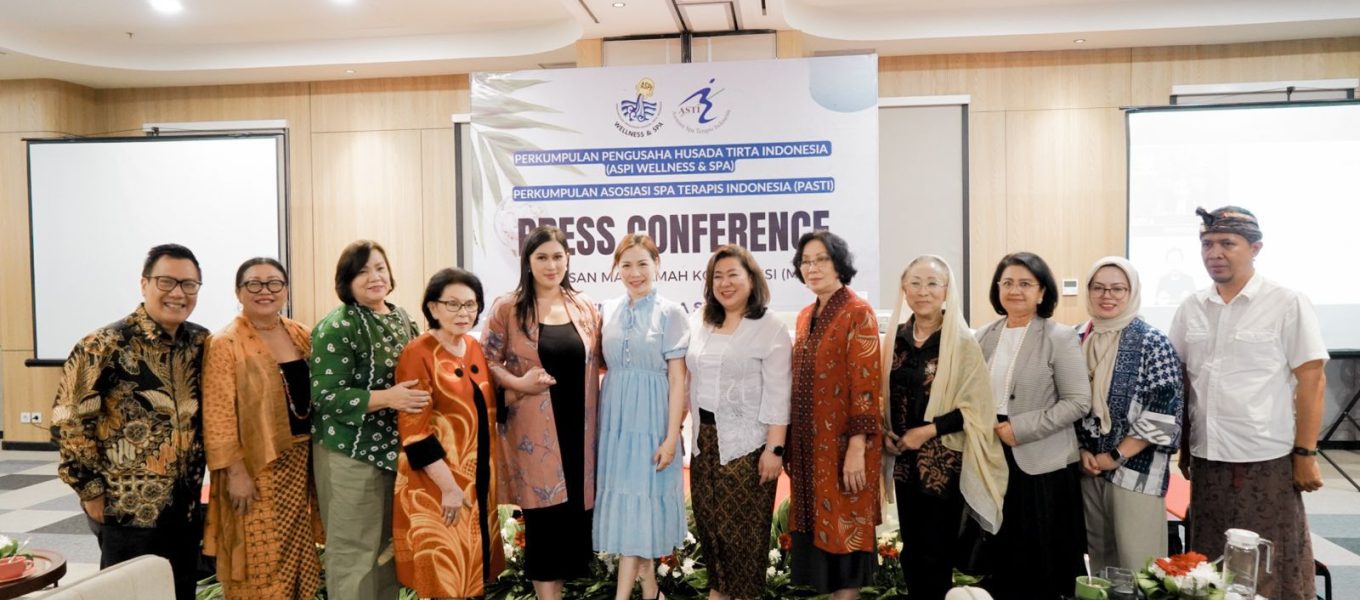
Jakarta – PT Mustika Ratu Tbk (MRAT) has expressed its strong support for the Constitutional Court’s (MK) recent verdict that officially classifies spas as part of traditional health services.
This landmark decision comes as a result of the Indonesian Spa Association‘s (ASPI) persistent efforts to distinguish spa services from the entertainment sector, which includes nightclubs, discotheques, karaoke venues, and bars.
In its ruling, the Constitutional Court emphasized that spa and steam bath services are integral to Indonesia’s rich tradition of holistic health, as outlined in Minister of Health Regulation No. 1205 of 2004.
This recognition provides much-needed legal certainty for spa business while dispelling the negative stigma previously associated with these services.
A Milestone for the Spa Industry in Indonesia
“This decision marks an important milestone in elevating the spa industry’s position as a preventive and promotive health service that reflects Indonesia’s cultural heritage,” said Kusuma Ida Anjani, Director of PT Mustika Ratu Tbk and Chairman III of the Indonesian Spa Association (ASPI).
Kusuma highlighted how this ruling paves the way for the spa industry to flourish. It also aligns with Indonesia’s growing commitment to wellness tourism and expected to play a significant role in the global. Leveraging traditional treatments such as Javanese scrubs (lulur Jawa), Balinese boreh, and herbal remedies derived from Indonesia’s indigenous plants, spas in Indonesia are uniquely positioned to attract international tourists seeking authentic wellness experiences.
Unlocking the Potential of Wellness Tourism
The Constitutional Court’s recognition of spas as part of traditional health services. It opens up significant opportunities for the development of wellness tourism rooted in local wisdom. Indonesia’s thematic spas, with their focus on cultural heritage, provide unique offerings that differentiate the nation from its global competitors.
“We are optimistic the synergy between the government, business actors, and local communities will strengthen Indonesia’s position as a leader in the global wellness tourism market,” said Kusuma.
“The spa industry has the potential to be a key driver of economic growth. And this decision is a major step forward in realizing that potential.”
Preserving Cultural Heritage Through Spa Innovation
The Indonesian Spa Association (ASPI), founded by national figure Dr. BRA. Mooryati Soedibyo, has been at the forefront of promoting the Indonesian spa industry for decades.
Dr. Mooryati Soedibyo, who founded Taman Sari Royal Heritage Spa (TSRH) and House of Mustika Ratu (HOMR), developed a spa concept deeply rooted in Indonesian traditions.
Her vision combined innovation with cultural preservation, introducing herbal remedies and treatments like jamu to a global audience. More than 30 years, Taman Sari Royal Heritage Spa has been a trusted name for traditional Javanese massage and treatments.
With outlets across Indonesia and abroad, TSRH has become a cornerstone of Indonesia’s wellness tourism industry, attracting visitors.
Ensuring Quality and Professional Standards
Under the leadership of Dr. Lianywati Batihalim, ASPI continues to advance the spa industry’s standards by ensuring services are safe, professional, and aligned with global best practices.
ASPI plays an active role in protecting the interests of spa service users. ASPI providing a guarantee of comfort and safety for customers.
“This verdict solidifies the spa’s position as a part of Indonesia’s traditional health services. We hope to see this industry flourish, bringing Indonesia’s name to greater heights in the global wellness stage,” Kusuma concluded.
The Future of Indonesia’s Spa Industry
With this decision, spa industry players can now focus on expanding their services without fear of negative stigma. By promoting local wisdom, enhancing service quality, and leveraging government support, Indonesia’s spa industry is poised to become a global leader in wellness tourism.**